


A potentially powerful El Niño could take shape later this year. While its effects are often felt dramatically across parts of the United States and around the globe, experts say the picture for Southern Appalachia is more nuanced.
Forecasters with the National Oceanic and Atmospheric Administration say there is roughly a 60% chance of El Niño developing between May and July, with some projections suggesting it could become one of the strongest events in decades. El Niño occurs when unusually warm ocean temperatures develop in the Pacific, altering weather patterns and influencing rainfall, droughts, temperatures and hurricane activity.
But what does that mean for South-Central Appalachia? Tennessee often sits “between impacts” when it comes to summer El Niño patterns.
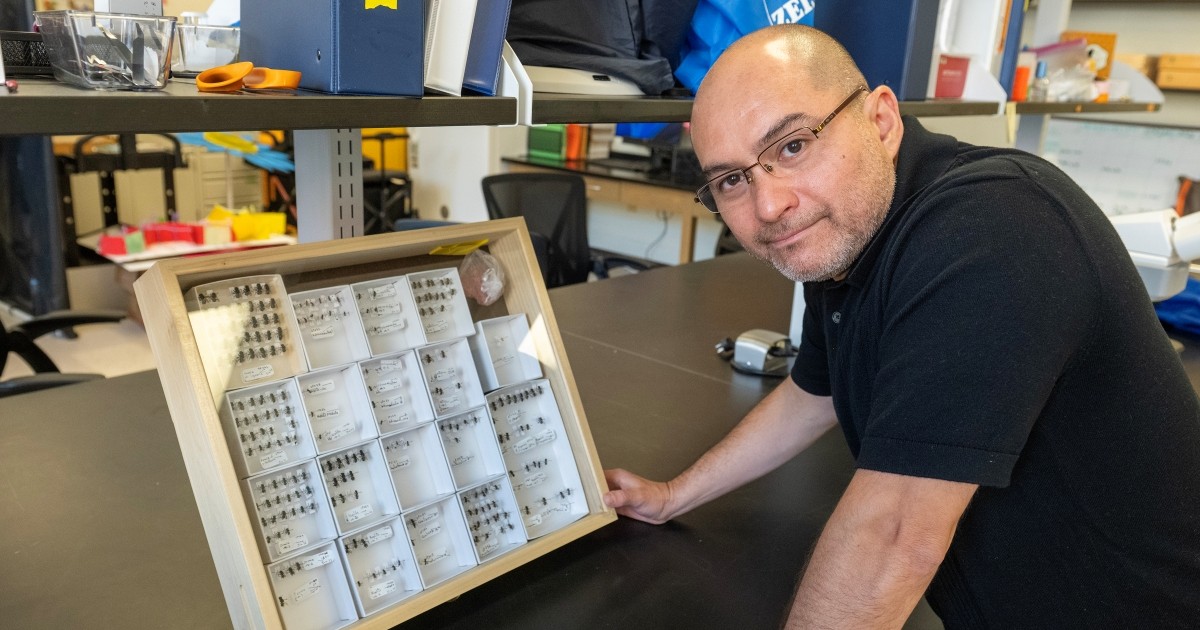
That’s according to Dr. Andrew Joyner, Tennessee’s state climatologist and a faculty member in ETSU’s Department of Geosciences.
“A strong El Niño doesn’t necessarily have a major impact on wet or dry patterns or warm and cool conditions for us during the summer,” he said. “The biggest potential impact is that increased wind shear across the Gulf reduces the potential for hurricane development, meaning we are less likely to see tropical rainfall or hurricane remnants moving into the region.”
That possibility comes as Tennessee continues dealing with worsening drought conditions.
April 2026 ranked among the warmest Aprils ever recorded across much of the state. Knoxville hit its warmest April in 153 years of weather observations, while Nashville, Chattanooga and Oak Ridge also experienced record or near-record warmth.
At the same time, drought conditions have rapidly intensified.
By late April, every part of Tennessee was experiencing some level of drought. Streams across the state dropped to unusually low levels for spring, and dry vegetation contributed to numerous brush and wildland fires during March and April.
Joyner said El Niño’s longer-term effects could become more noticeable if the pattern persists in fall.
“If a strong El Niño continues into the fall, we’re more likely to see drier-than-average conditions since we tend to be cut off from Gulf moisture,” he said.
Researchers at ETSU continue to closely monitor conditions, helping communities across Appalachia better understand the weather patterns shaping the region. It is part of the reason that ETSU is the flagship institution of Appalachia.
.avif)