

.jpg)
Where in the world has the East Tennessee State University College of Business and Technology (CBAT) been?
Just about everywhere, experiencing new cultures, industry, food and new perspectives.
Over the summer, the departments of Computing and Digital Media traveled abroad to Germany and Japan, respectively, combining academic studies with immersive cultural experiences.
Germany with Computing
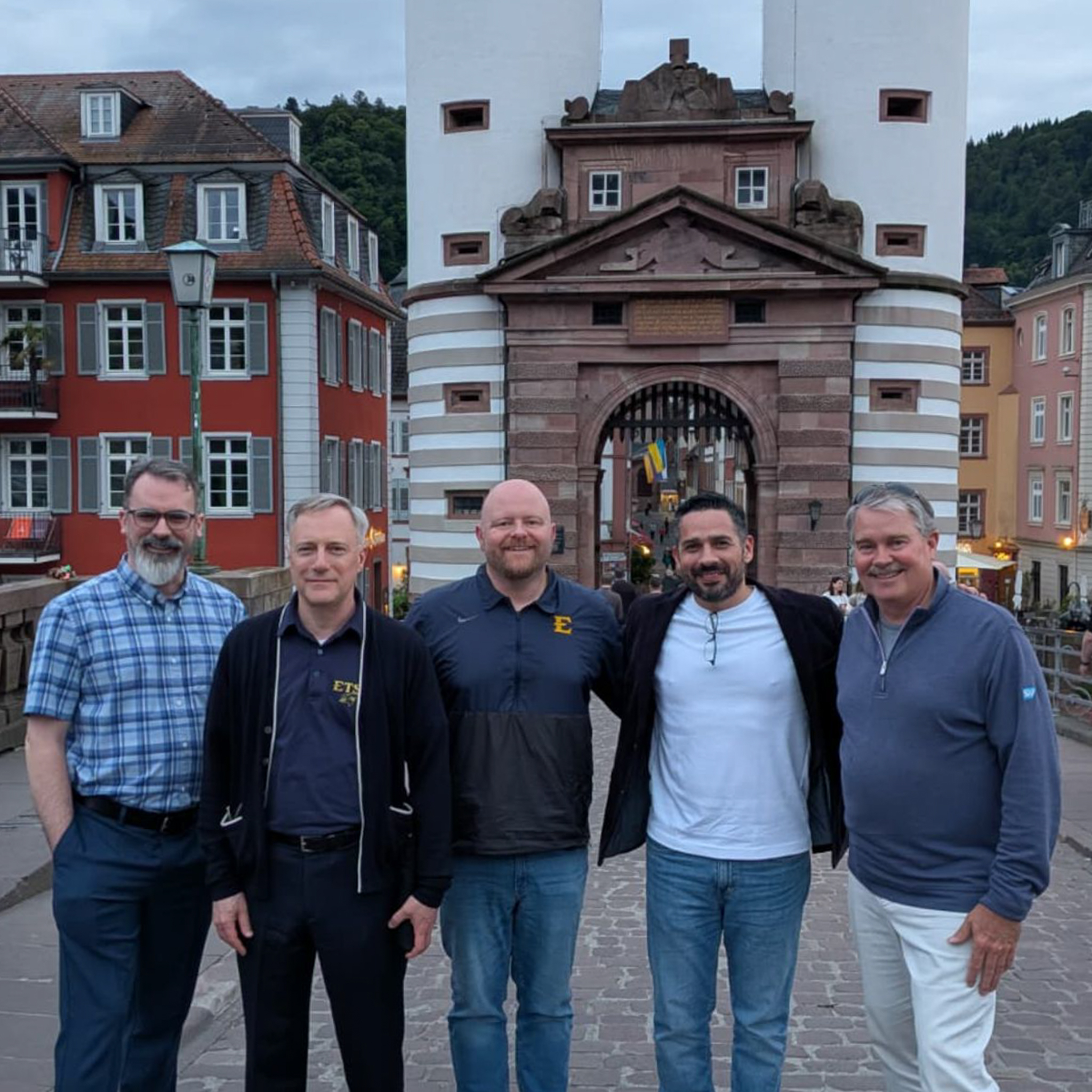
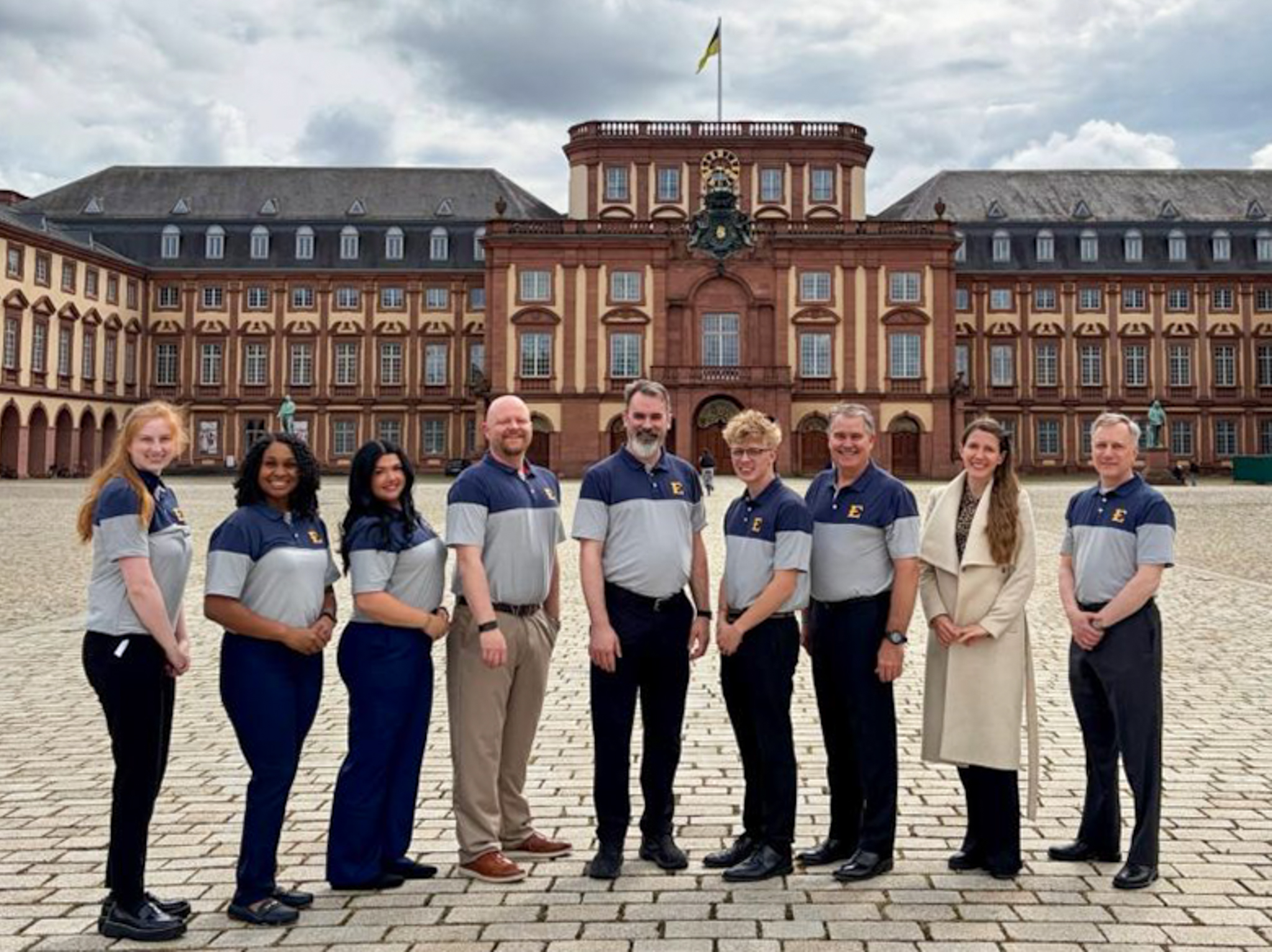
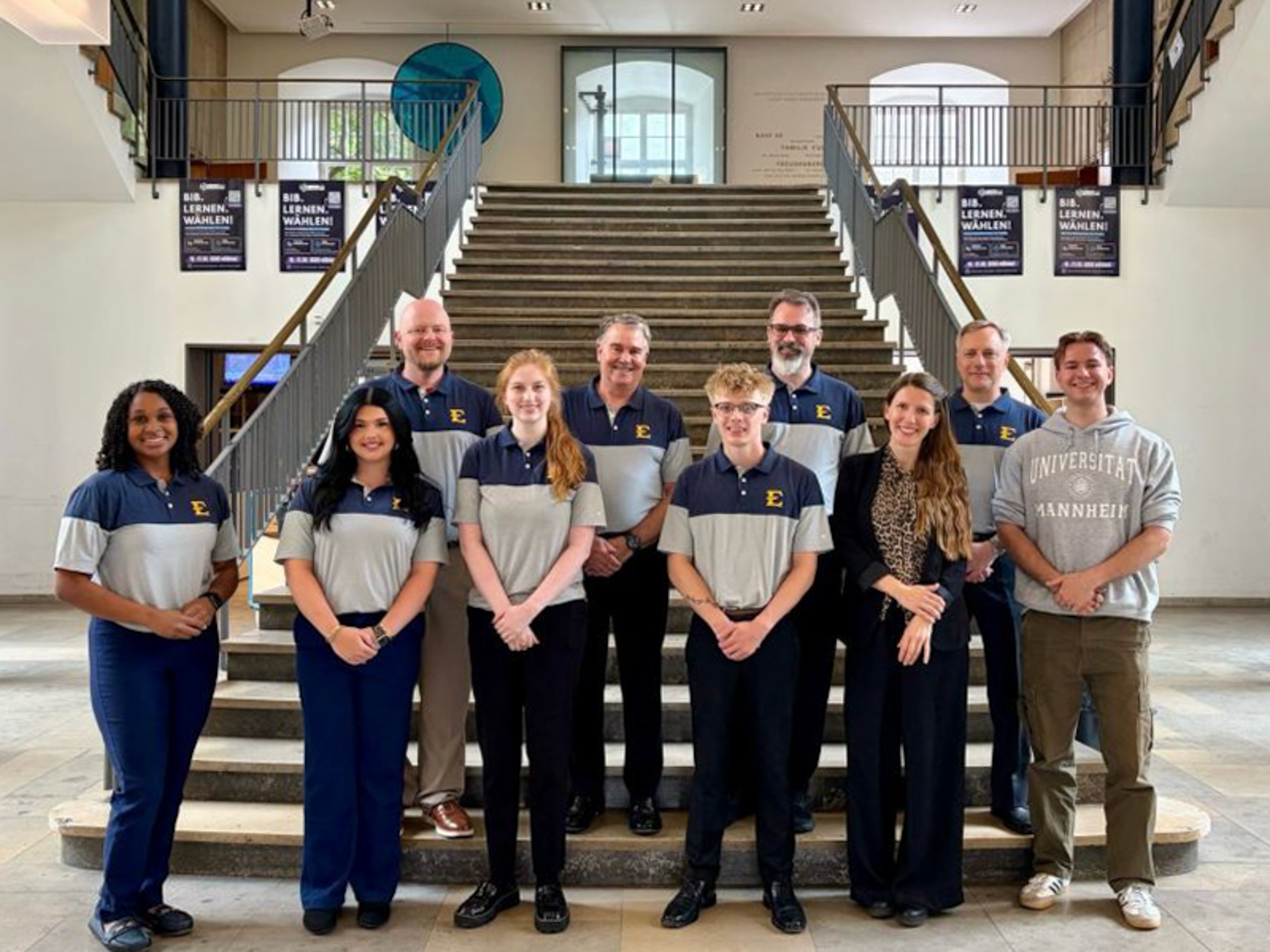
Heading east, four computing faculty members and four students arrived in Germany with a plan: learn from industry professionals, observe how classroom learning translates to the real world and have some fun along the way.
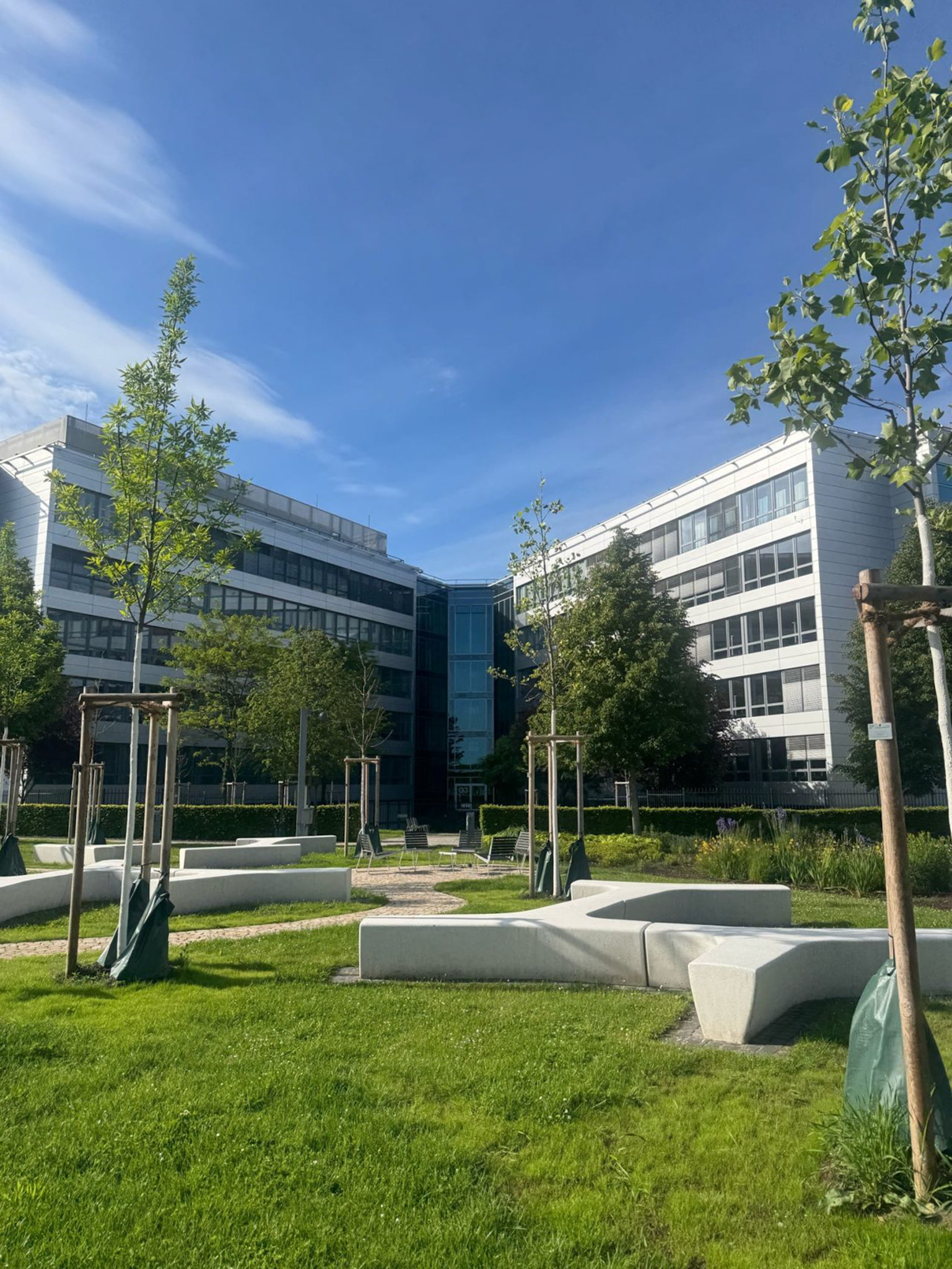
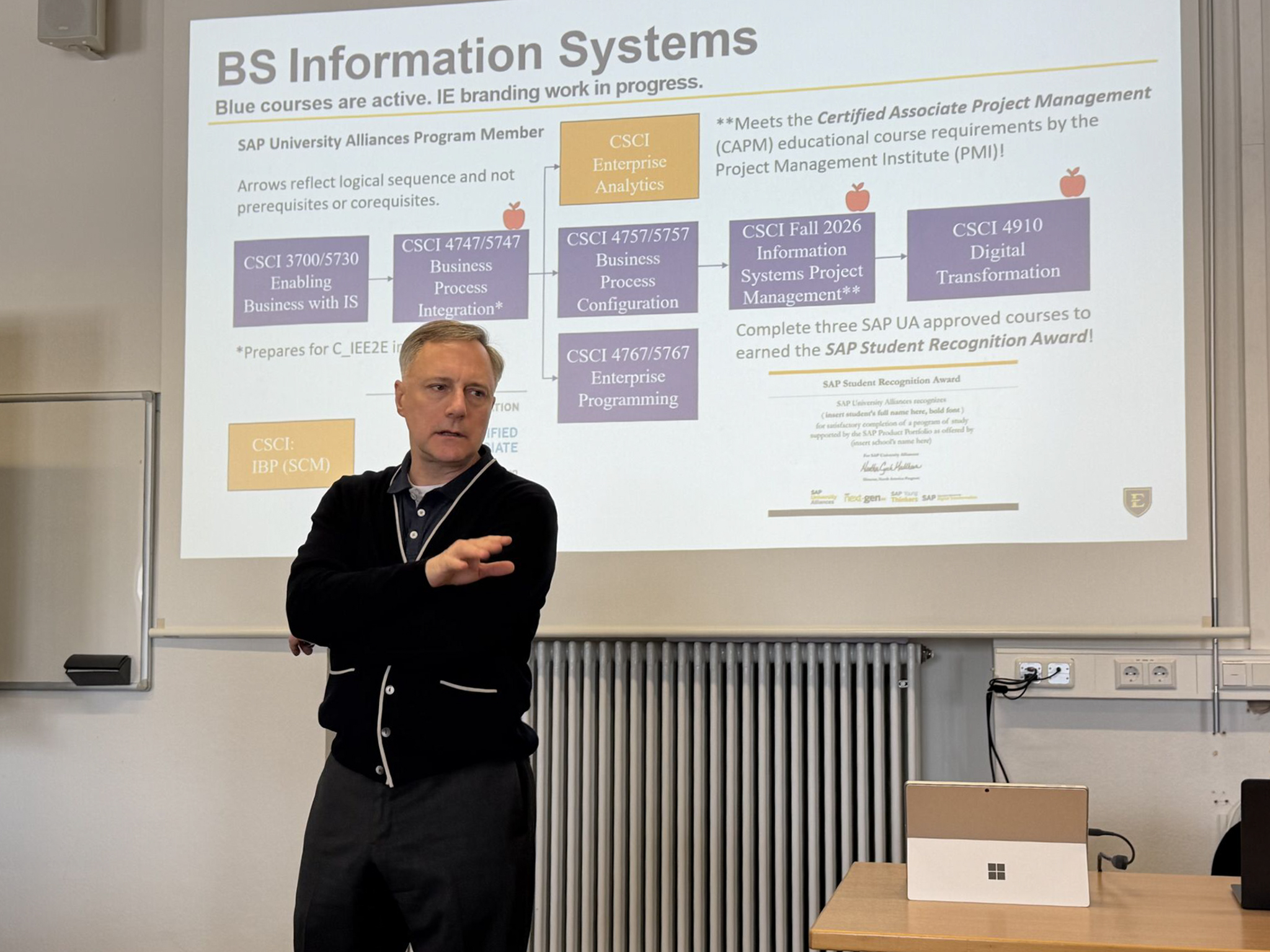
After months of planning and leveraging international partnerships, the computing group toured and learned from the University of Mannheim, SAP headquarters, an Audi manufacturing plant and a John Deere manufacturing facility.
Japan with Digital Media and the College of Arts and Sciences
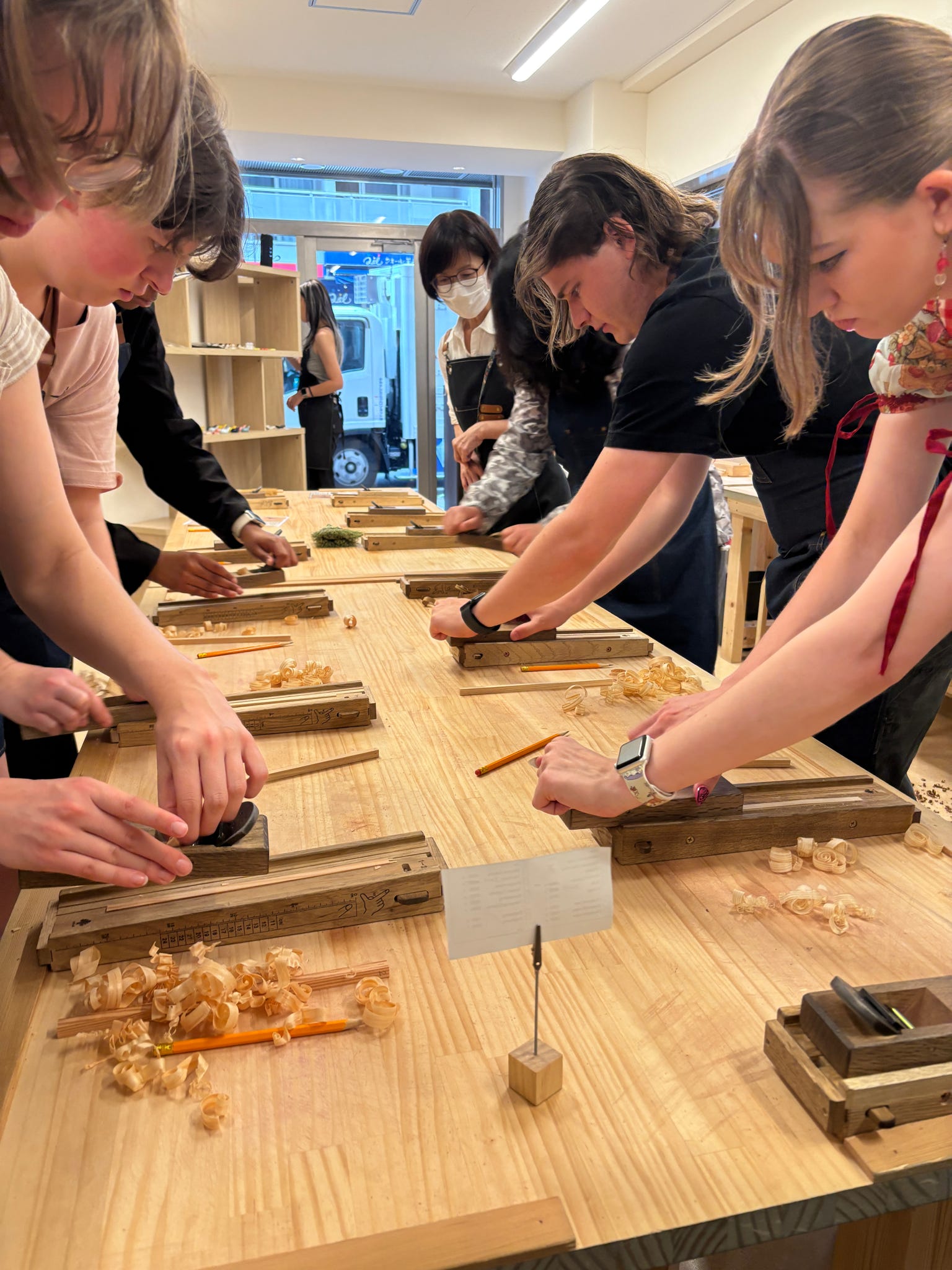
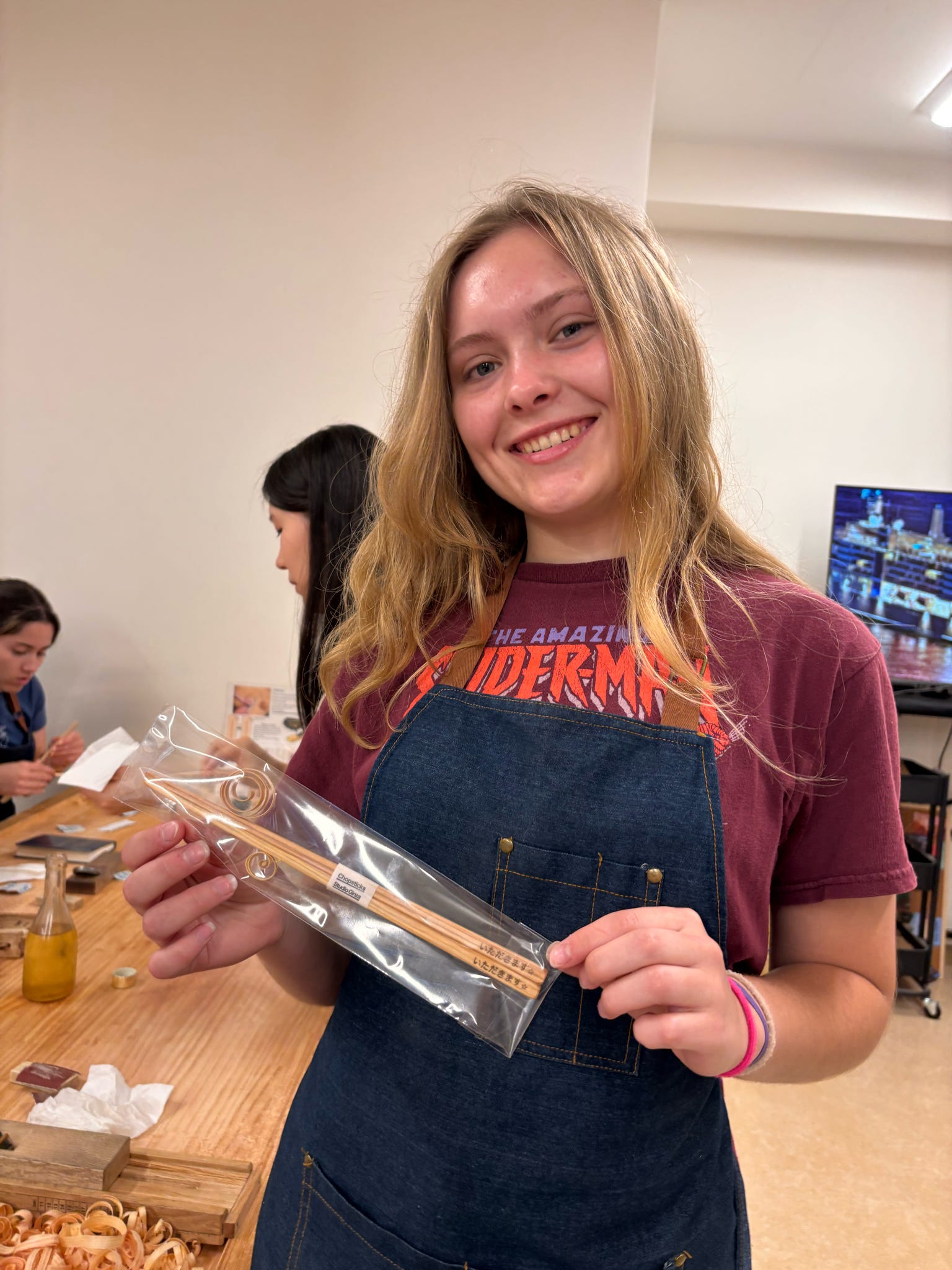
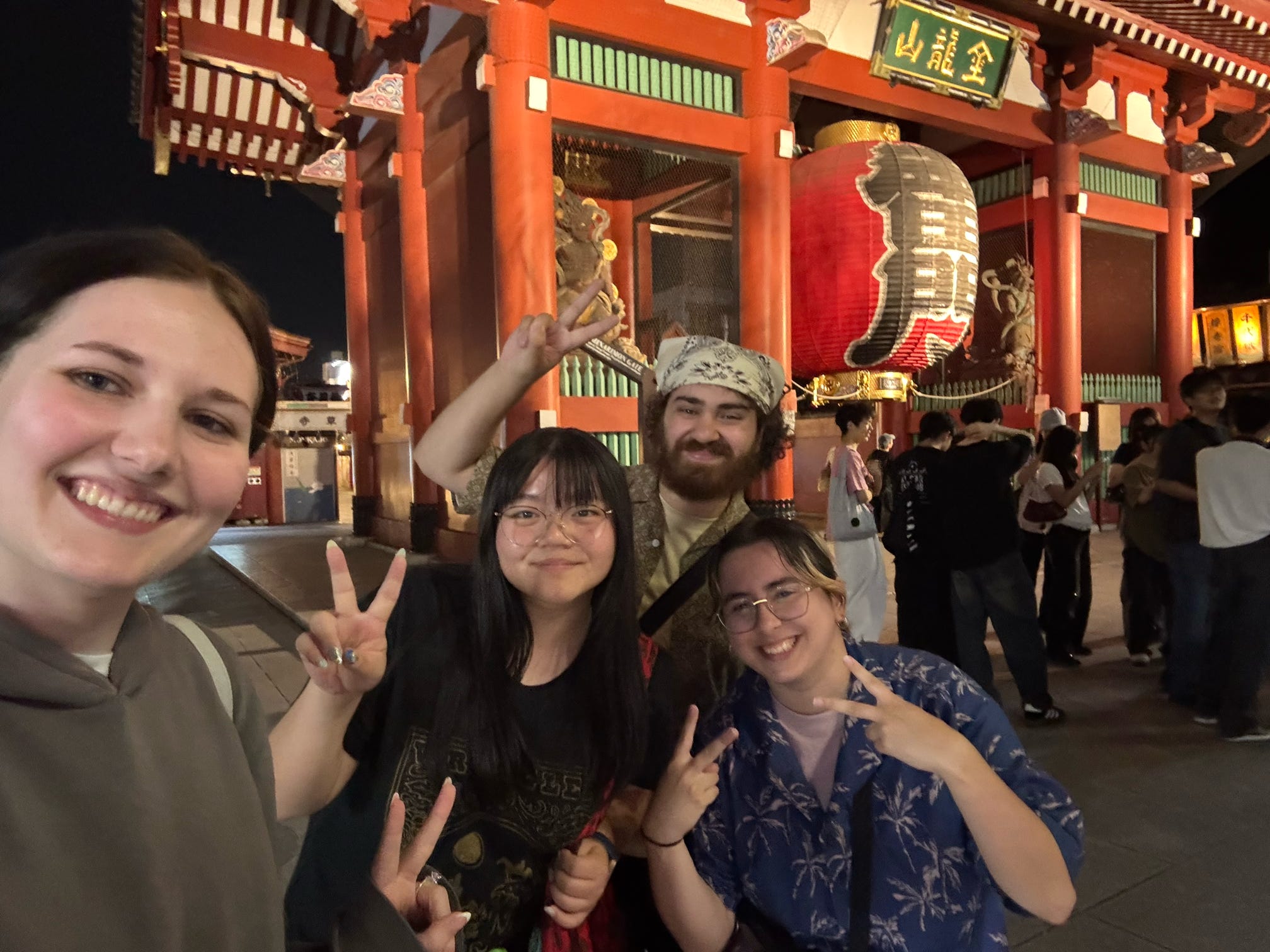
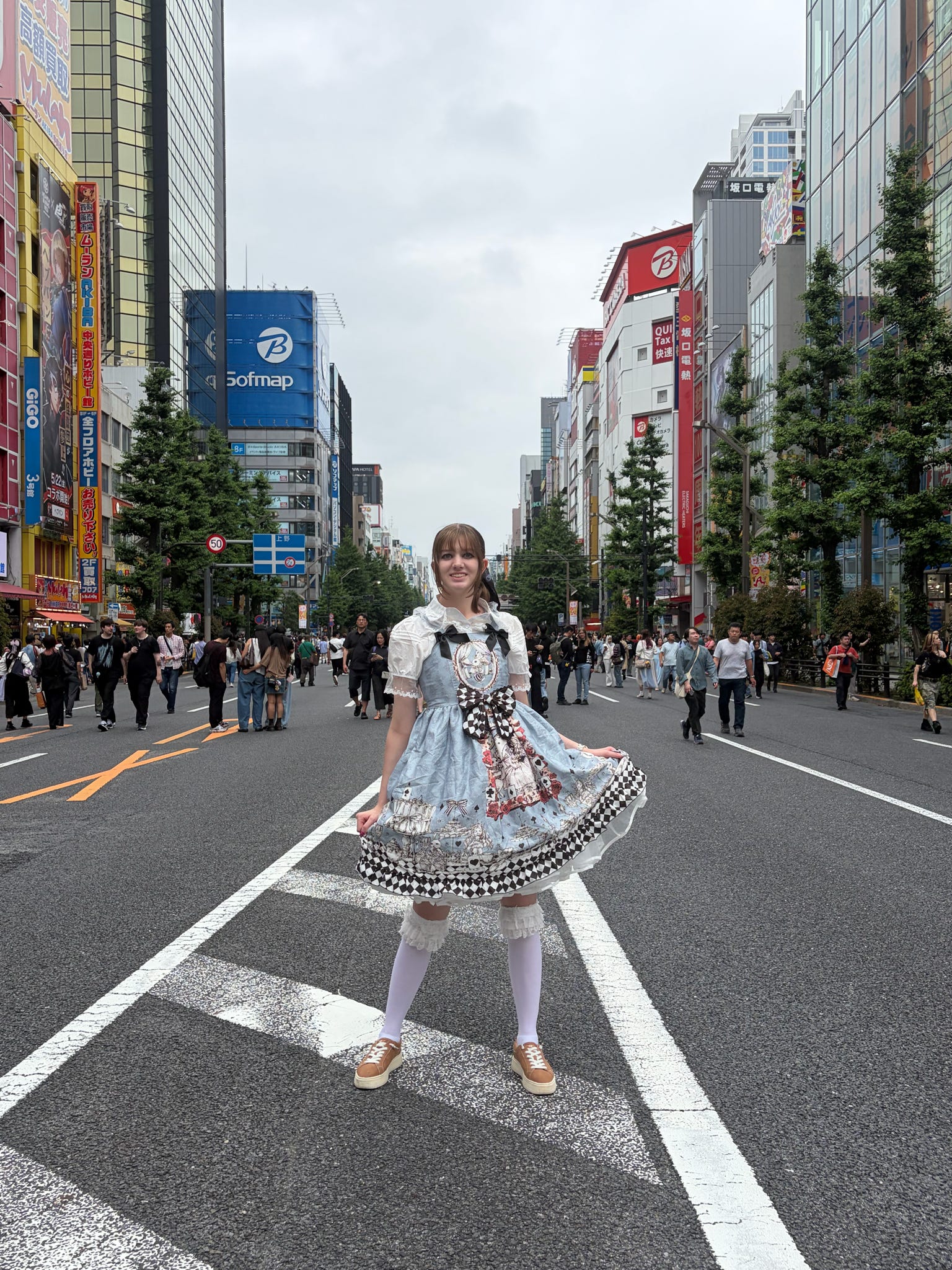
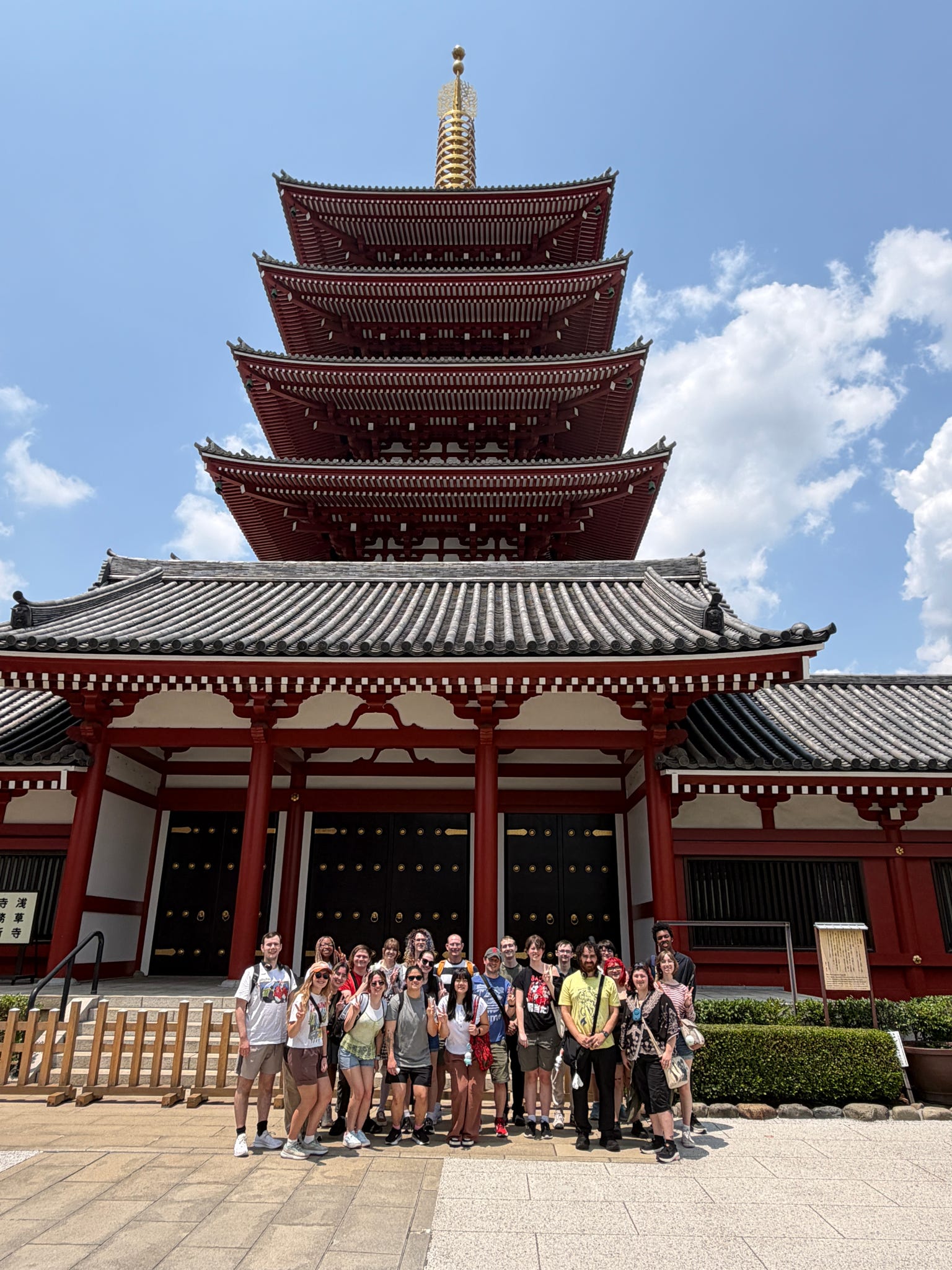
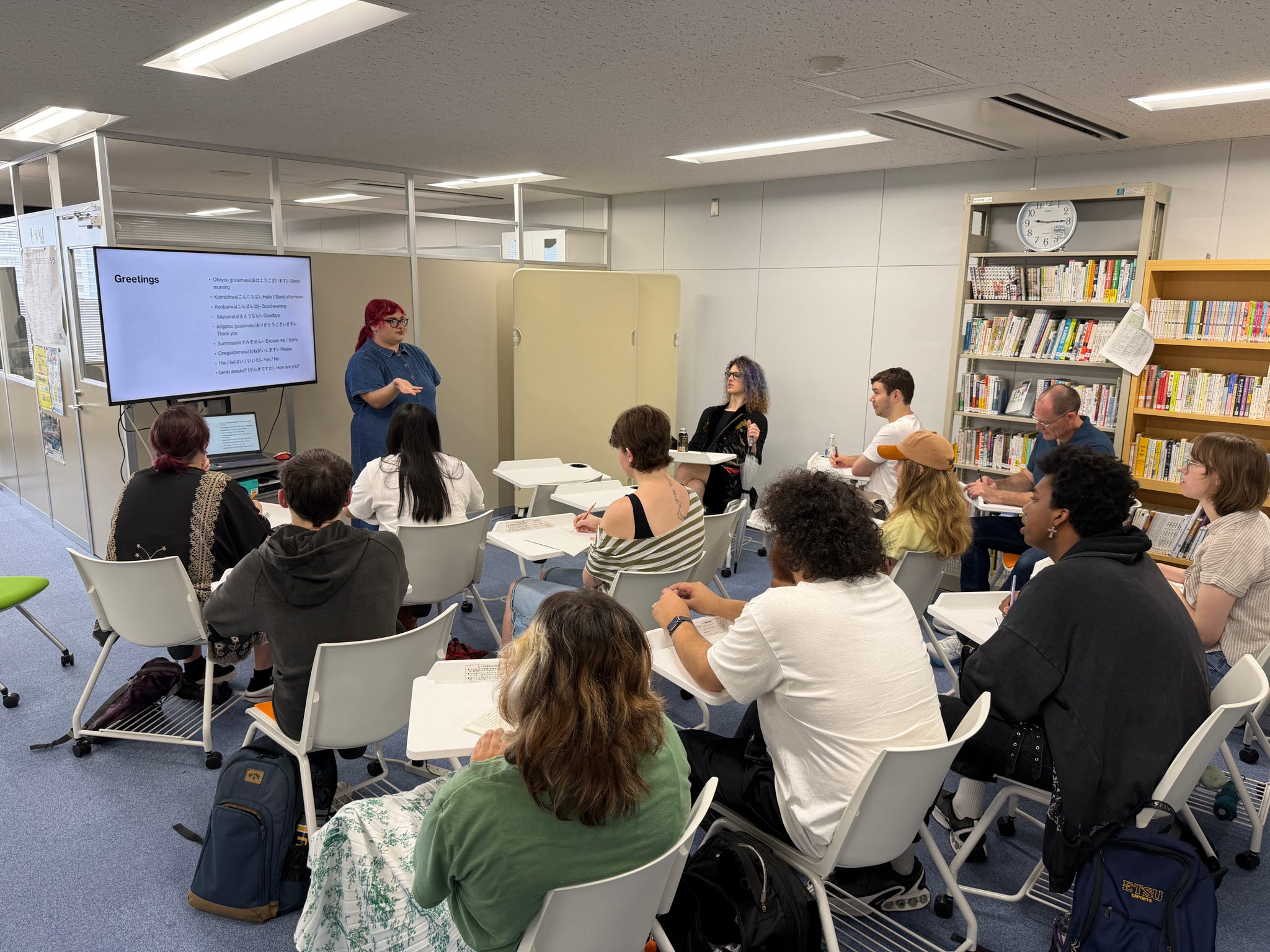
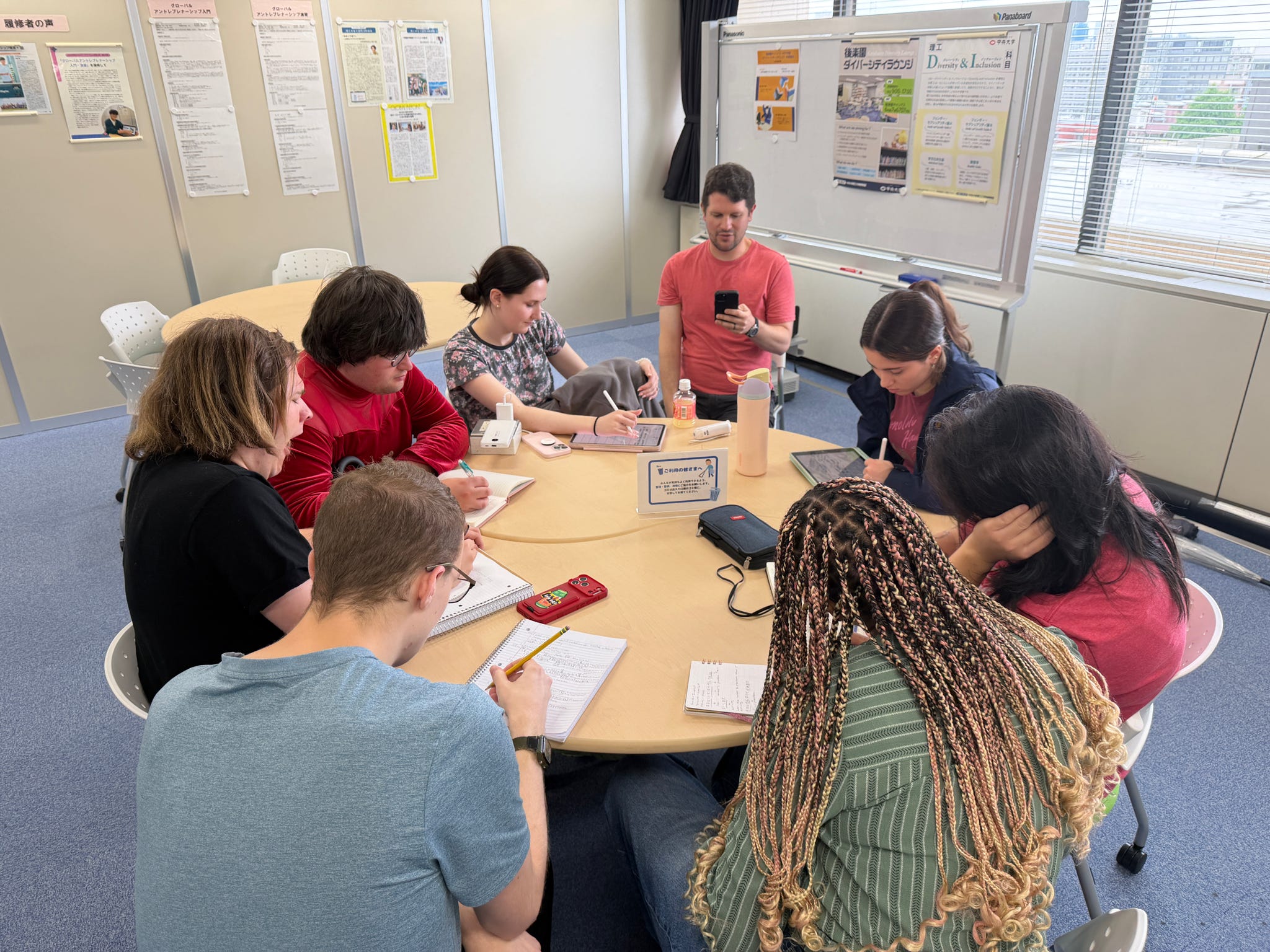
Heading west, a collaboration between CBAT's Department of Digital Media and the College of Arts and Sciences' (CAS) Japanese program within the Department of Literature and Language brought together students who share a passion for Japanese culture. Hosted by Chuo University, students abroad on this trip ranged from various programs between CBAT and CAS, including Digital Media, Criminal Justice, Japanese, English, Psychology and World Languages, and even graduate students in Digital Media’s M.F.A. Program.
"It's not often you see students within different disciplines coming together for a course, much less a study abroad," said Garrett Moore, a digital media MFA student. "I found it inspiring to see the new connections that were made as a result of this trip."
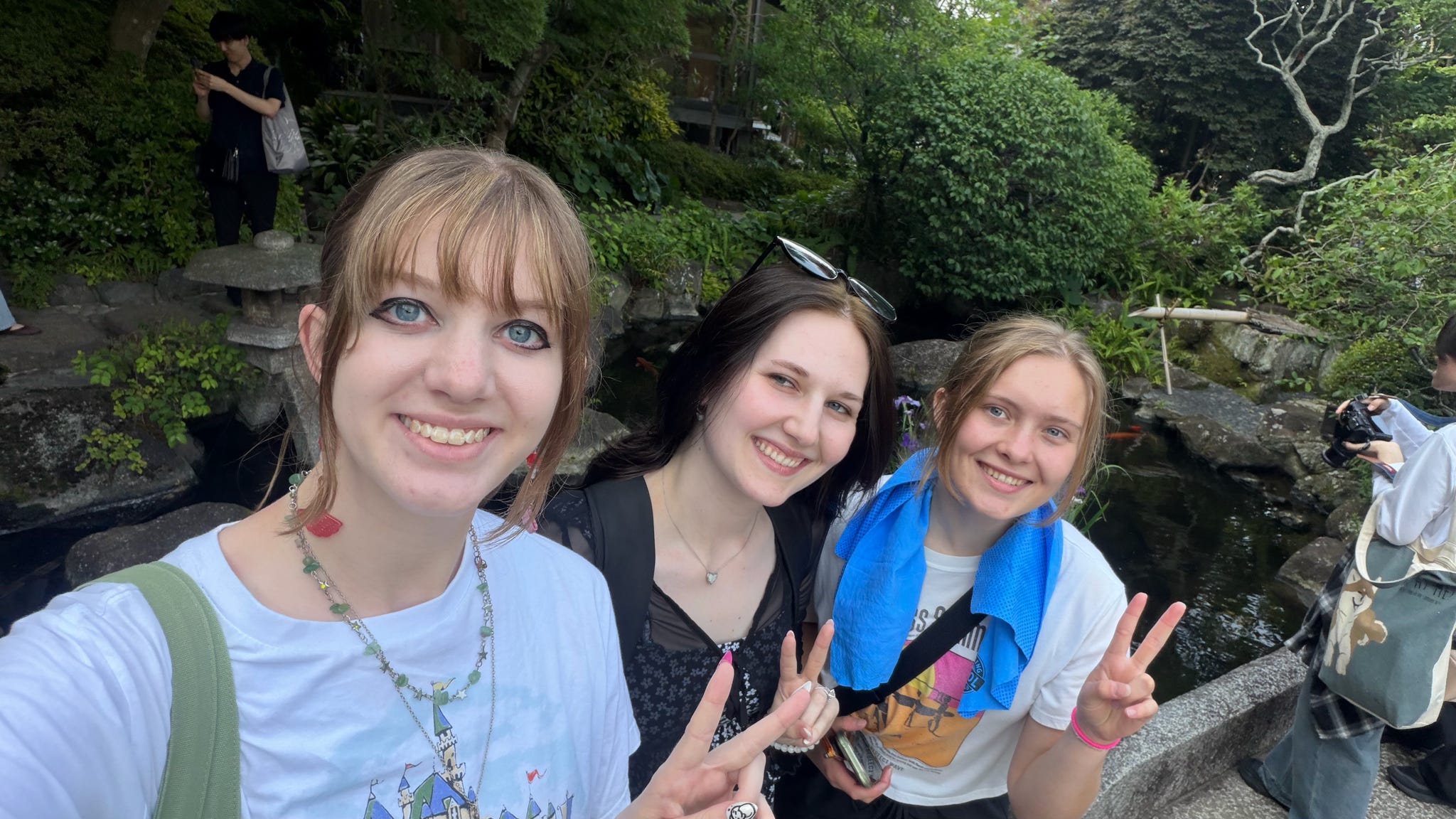
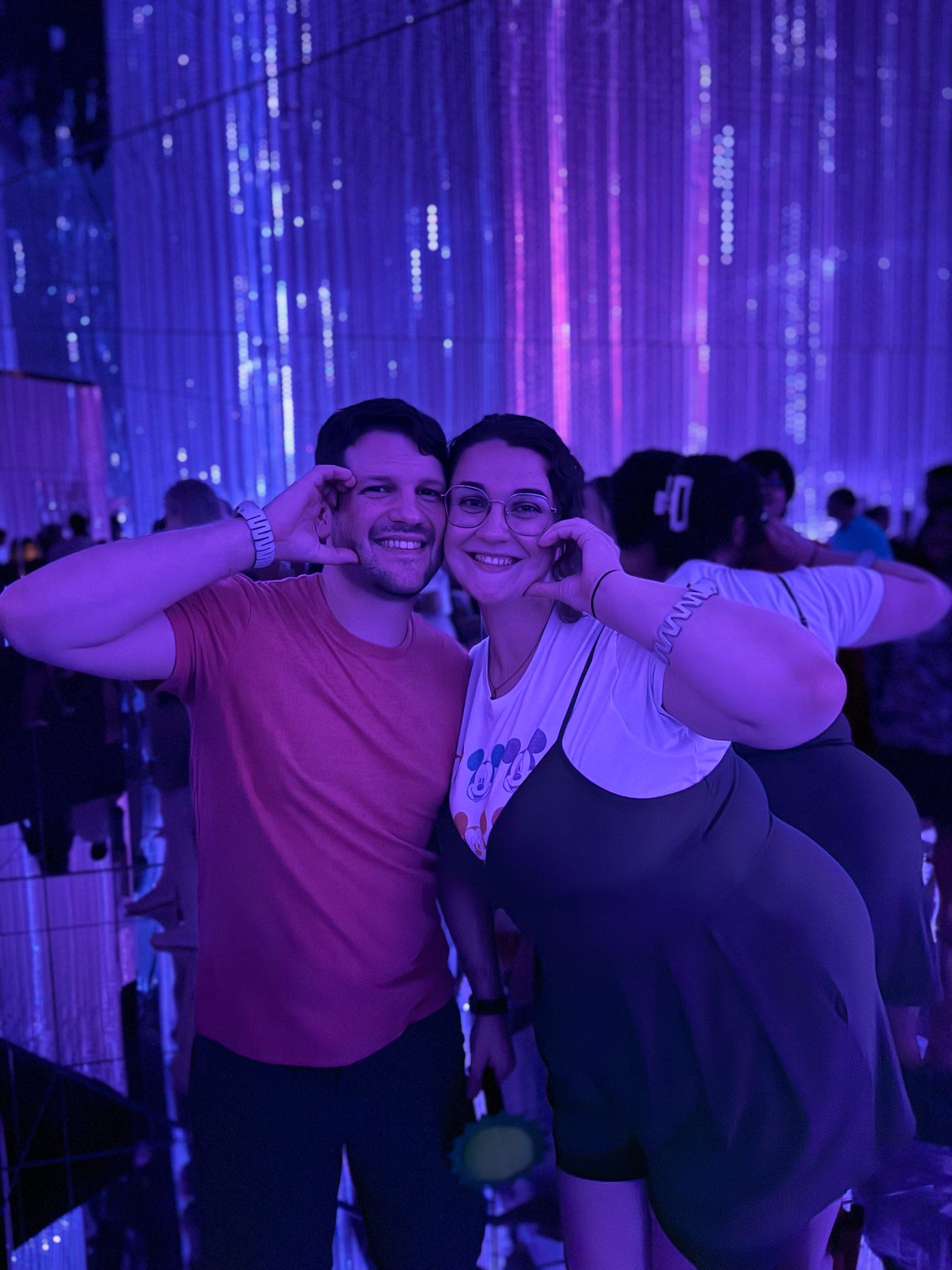
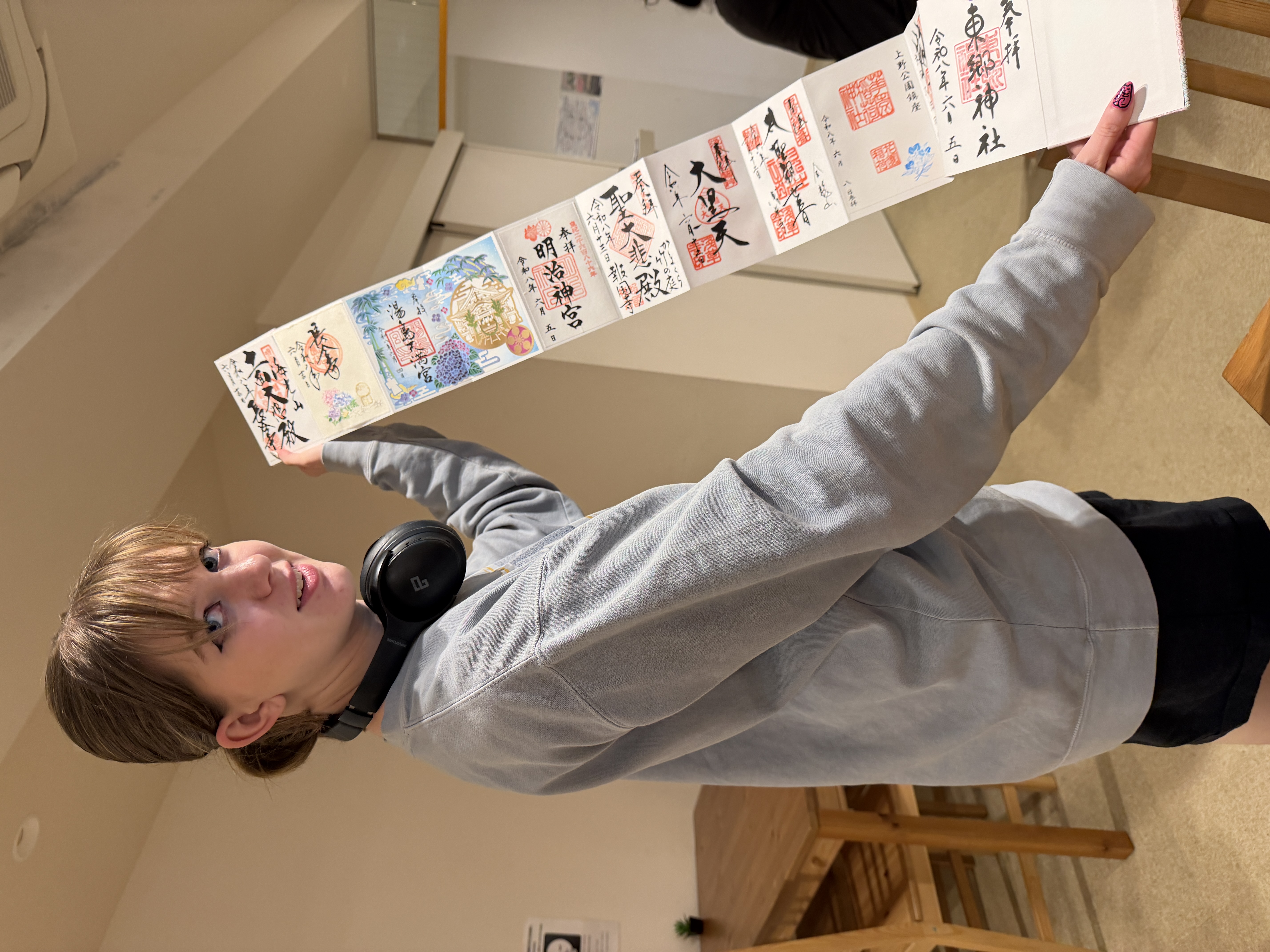
The group of 19 students explored eight cities, experiencing cultural landmarks and attractions along the way. Activities ranged from visits to historic temples and museums, to new-age, immersive exhibitions, such as teamLab Planets and Tokyo’s new Yokai Immersive Experience. Additionally, the students received a personal tour of Japanese video game developer CyberConnect2 in Osaka, creating international industry connections for students in both colleges.
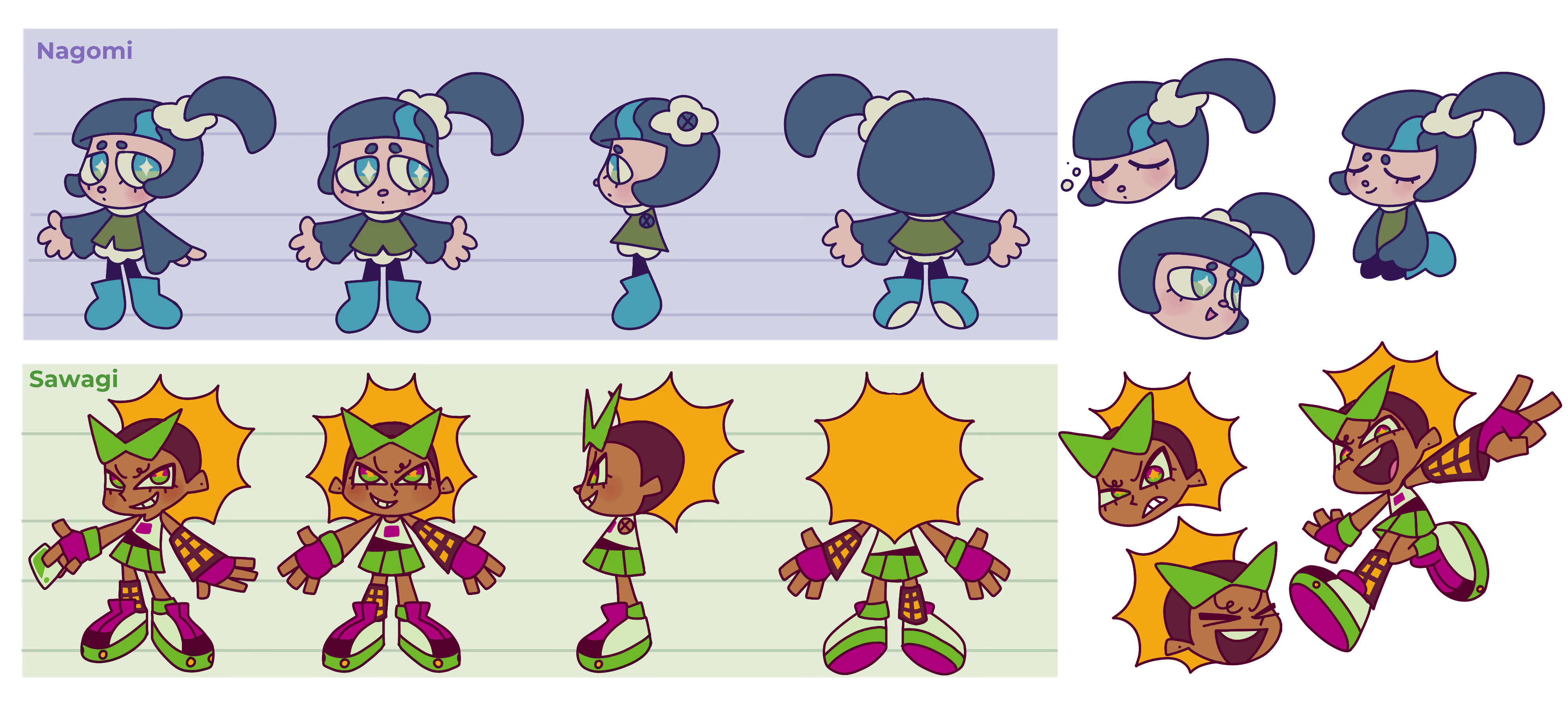
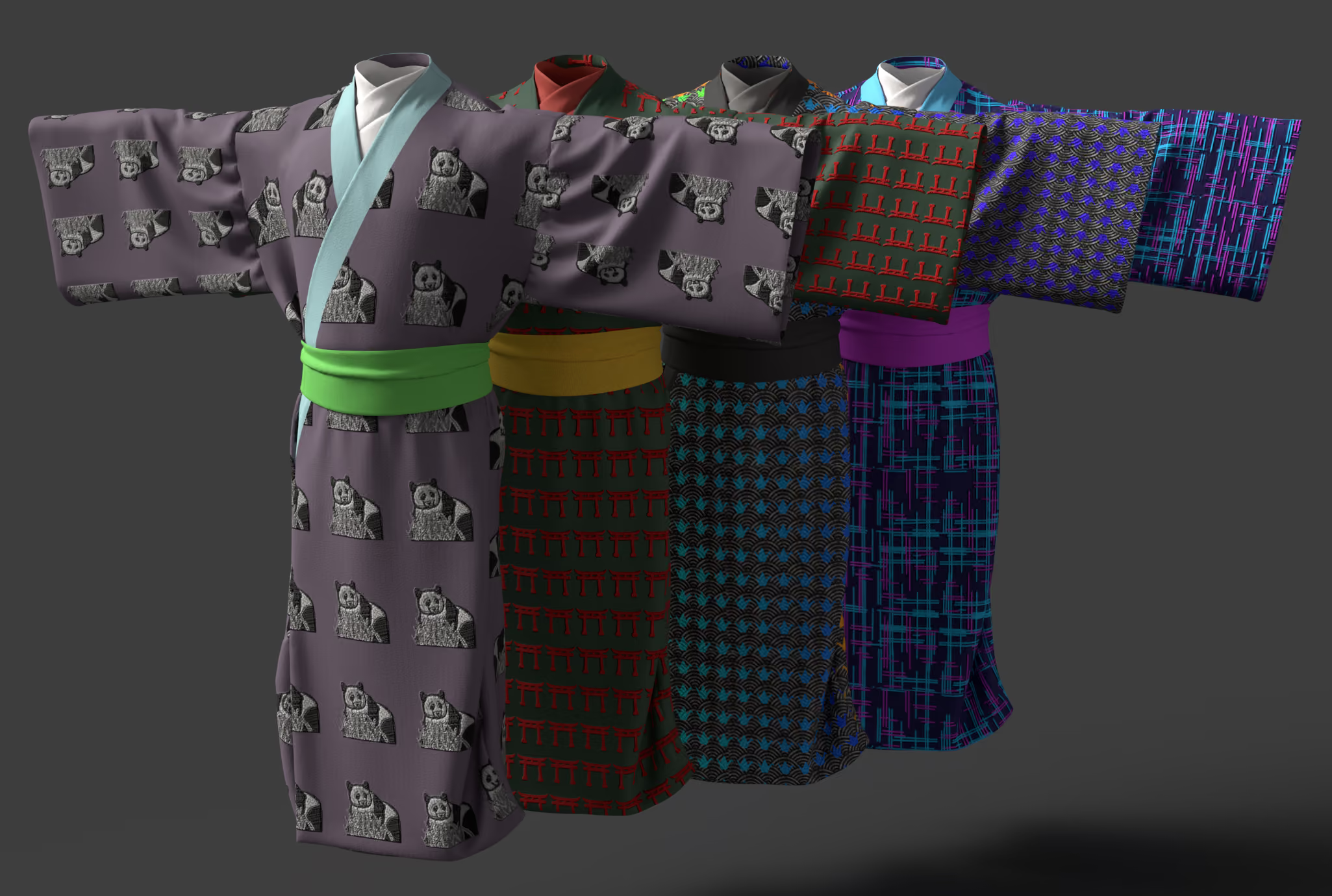
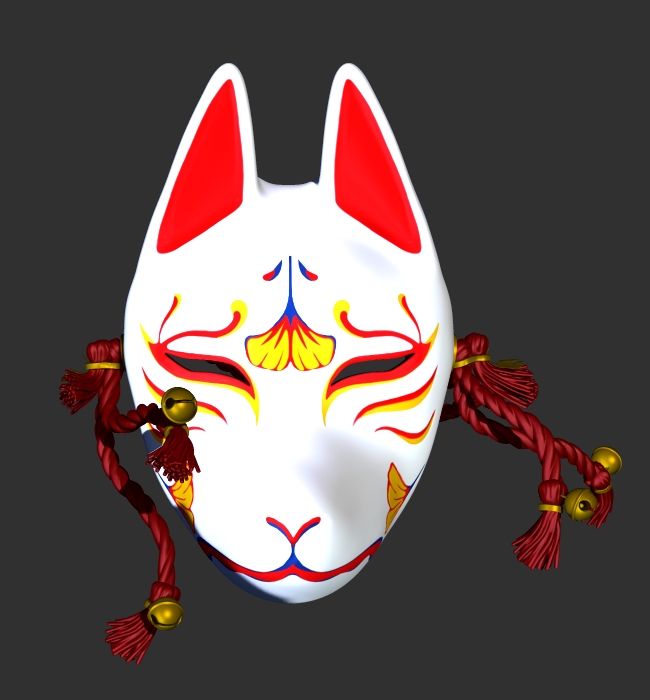
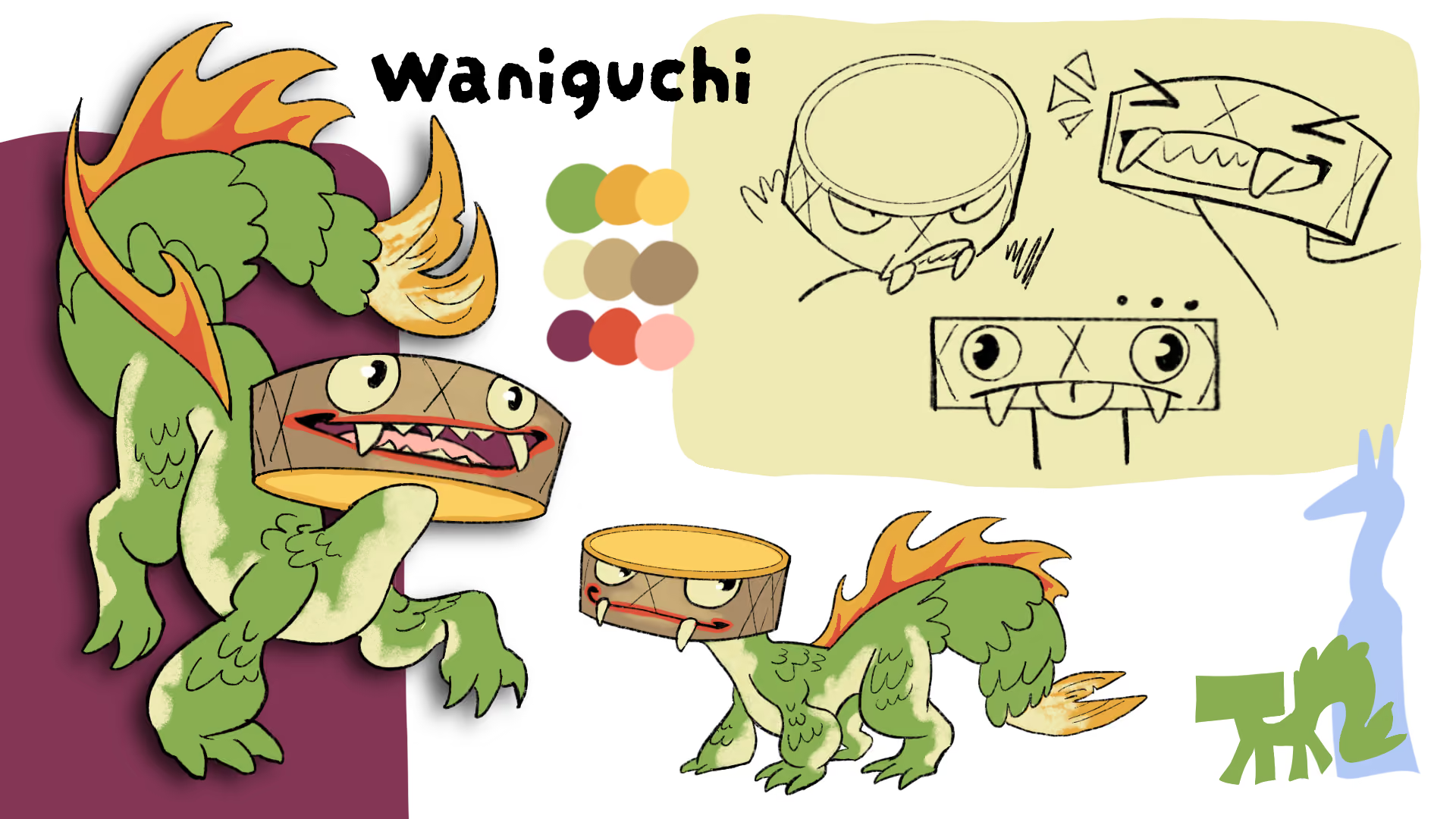
After returning home, the digital media students channeled their experiences into creative projects inspired by what they observed in Japan. These art test projects included a 3D character model of a stylized tanuki, kimono designs themed around cities the group visited and mascot concepts embodying Japan's cities during the day versus at night.
Connecting the pieces
For both groups, this trip served to connect pieces of what they’ve learned in the classroom to real-world experiences.
Some of the most meaningful moments came during the quieter parts of the trip. The computing students ate in the cafeterias of the facilities they visited alongside employees who work there every day. Their conversations often felt like “talking shop,” allowing students to see themselves working in similar environments after graduation and opening new possibilities they hadn’t considered before.
“A goal was to expand their opportunities and show them that they can go farther than they even realize,” said Dr. Brian Bennett, chair and professor in the Department of Computing.
In digital media, students invest so much time understanding and studying one of Japan’s most popular exports: pop culture. Many students trace their interest in the field to the influence of anime, video games, and other forms of Japanese media that became part of their lives as they grew up. On the trip, they had the opportunity to experience firsthand the culture that shaped many of those interests.
“Combining their previous knowledge of Japan through pop culture, and the in-depth learning they receive on the trip, the pieces really start to click together for students about where their favorite media comes from,” said Madison James, lecturer in the Department of Digital Media. “We ensure students engage with Japan on a higher level, learning what parts of Japanese culture and history make up their favorite media. After their eighth Pokémon Center visit, they’re like ‘Ah, I finally understand the connection!’”
International-sized confidence
For many of these students, these trips were a series of firsts: first trip without their parents, their first trip out of the country or even their first time on an airplane.
These firsts provided a safe and controlled environment to make mistakes, build trust in themselves and gain new confidence. Whether navigating public transportation, overcoming language barriers or adapting to unfamiliar situations, students were given opportunities to fail, learn and grow.
“These students who used to be really shy are speaking Japanese to complete strangers or having small moments of connection,” said Zachary James, Japanese lecturer for the Department of Literature and Language. “They’re somewhere completely foreign, and they have to rely on who they are as a person to get through the trip.”
That newfound confidence doesn't stay overseas. Students bring it home with them, shaping the way they approach school, work, life and future career opportunities. And while CBAT has traveled around the world this summer, the world has also found its way back into CBAT.



.jpg)
