

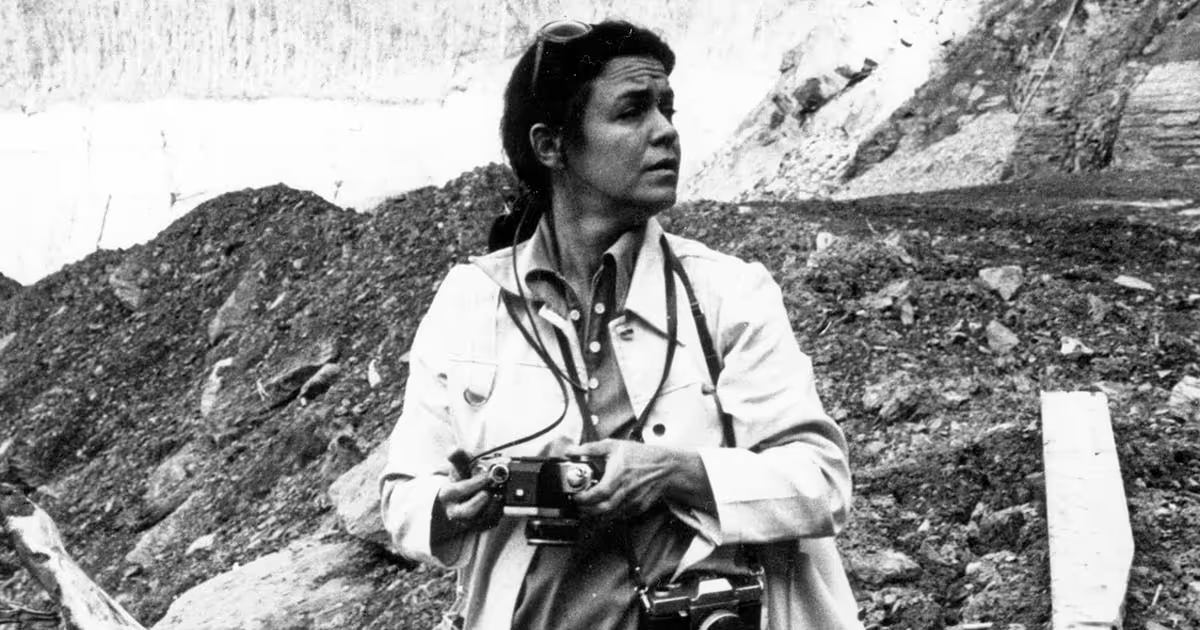
New exhibits at ETSU’s Archives of Appalachia highlight powerful photojournalism documenting the human and environmental costs of coal mining in Appalachia.
In one haunting photograph, coal miners emerge from underground darkness, their faces etched with exhaustion and coal dust. Connecting these images is a length of Primer Cord – the same illegal explosive cord that killed countless miners in preventable explosions.
This powerful display, titled "The Hot Edge of Hell," anchors one of three new exhibits at East Tennessee State University’s Archives of Appalachia honoring the fearless work of photojournalist Jeanne M. Rasmussen, whose camera captured the human cost of unsafe mining practices with unflinching clarity.
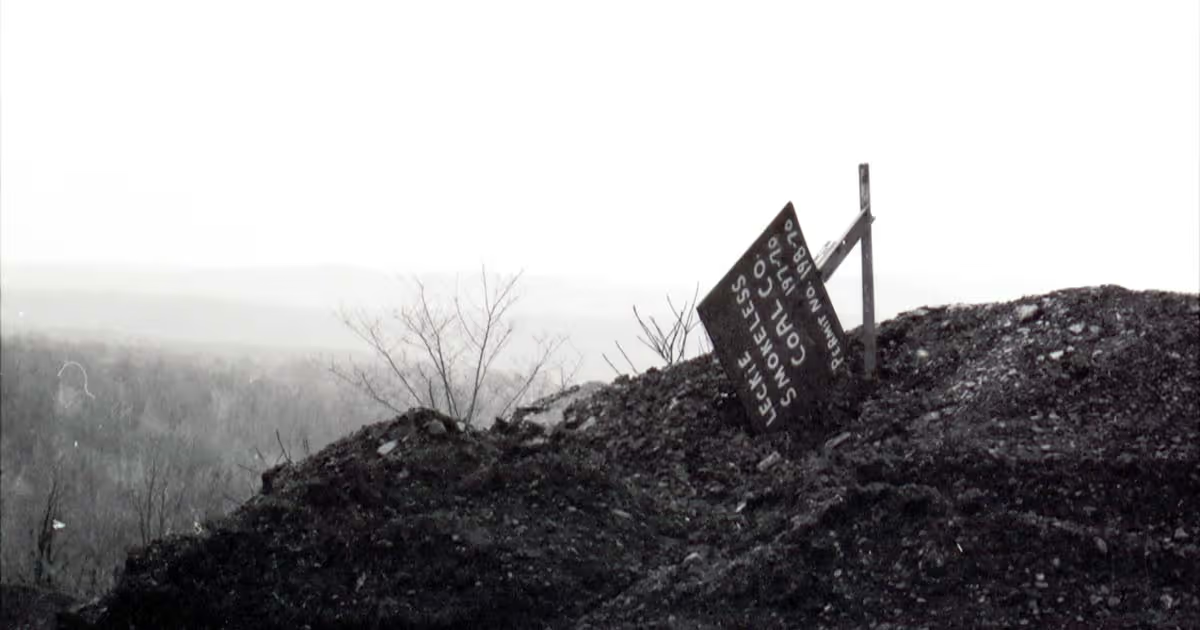
The hallway exhibit pairs with "They Can't Put It Back" in the Reading Room, where Rasmussen's devastating before-and-after photographs contrast Appalachian landscapes' vivid natural beauty with the scarred earth left by strip mining. A digital exhibit launched earlier this month completes the trio under the title "Jeanne M. Rasmussen: Unvarnished."
"Jeanne waded through the muck and mire resulting from mine explosions that caused massive mud and landslides, putting her own life on the line to document strikes and rallies," said Sandy Laws, one of ETSU’s archivists. "She made it her mission to enhance the quality of life for miners, widows, and those disabled by the mines by exposing unsafe conditions and corruption through her writing and photographs."
The timing aligns with Women's History Month's 2026 theme, "Leading the Change: Women Shaping a Sustainable Future," highlighting women's leadership in environmental, economic and social justice initiatives.
Rasmussen's work embodies the intersection of journalism and activism that has long defined Appalachian storytelling. Her photographs captured not just environmental devastation, but the human faces behind labor struggles. She documented both landscape beauty and the courage of those fighting to protect it.
Laws emphasized that photographs can't capture the exhibits' full visceral impact, urging in-person viewing where Rasmussen's unflinching documentation confronts viewers with mining's true human and environmental costs.
What role does ETSU play in preserving Appalachian history?
ETSU's Archives plays a crucial role in preserving stories that might otherwise be forgotten.
The archives contain an incredible collection of materials documenting regional life, including oral histories, field recordings, photographs and documents spanning more than a century.
The public is welcome to peruse this and many other digital collections. Information on planning a physical visit is available here.
As the flagship institution of Appalachia, ETSU is committed to preserving powerful records like these so future generations can better understand the people, struggles and resilience that shaped this region.
.avif)