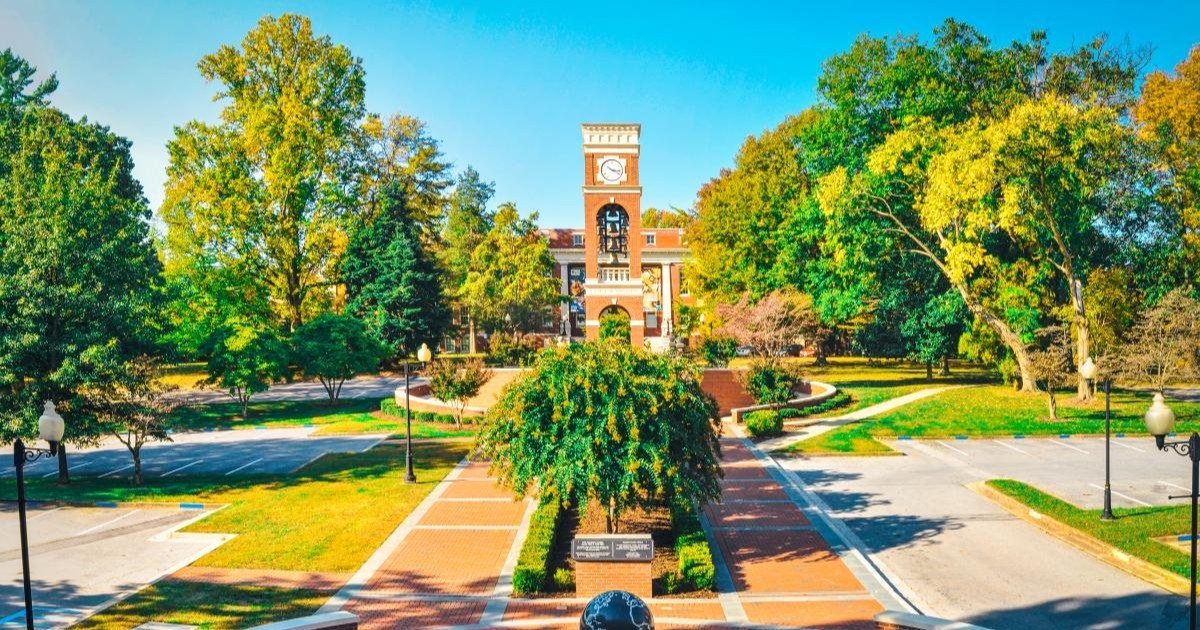
Fall color season in the southern Appalachians is beginning its final act — but it is not over yet.
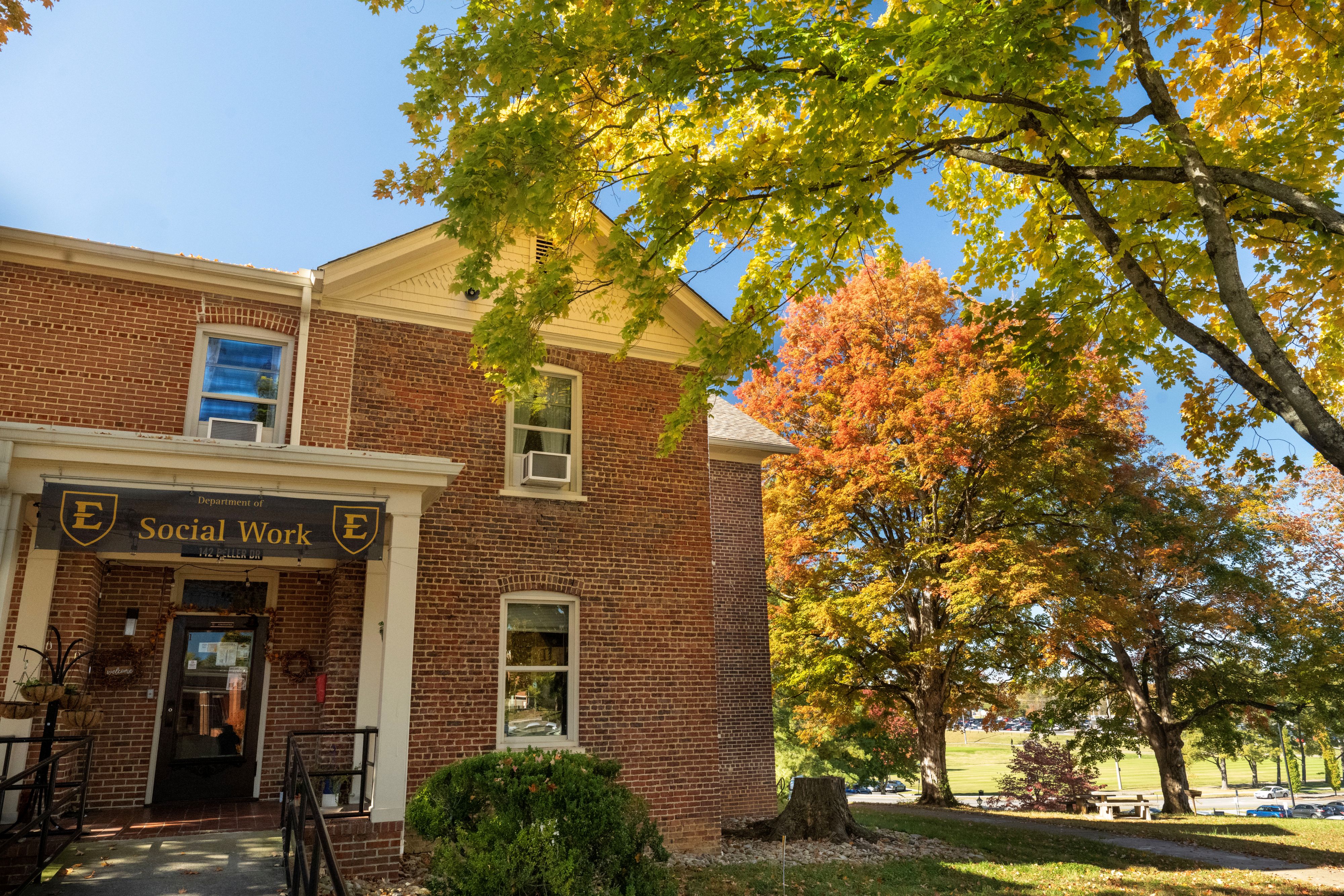
Higher elevations are nearing the end of their best viewing window, while middle elevations are at or near peak, and the valleys of the Tri-Cities should hold onto color into early November, according to East Tennessee State University experts.
“This weekend is probably the last, best weekend for trips into the high country,” said Travis Watson, ETSU’s campus arborist.
Watson said he recently traveled Interstate 26 toward Asheville and found color approaching peak along much of the route, while areas around Sam’s Gap were slightly past peak. Middle elevations, including areas around Buladeen and Simmerly Creek, should be especially strong this weekend.
Watson also recommended trips to Buffalo, Unaka, Bays and Holston mountains.
“Any trip you take through the back country right now promises to deliver some beautiful color,” he said.
Across the Tri-Cities, hillsides are approaching peak, while valleys should continue showing strong color into next week.
Sunny weather has helped bring out brighter reds and oranges, Watson said, although continued dry conditions could affect how long leaves remain on the trees.
“We could use some rain to help keep the leaves on the trees,” he said. “Even though they aren’t green, the leaves are still functional tissue and need water.”
A gradual end to the season
Dr. Andrew Joyner, Tennessee's state climatologist and an ETSU professor, said the cold front once expected for late October fizzled, blocked by persistent high pressure to the north. Above-average temperatures are now expected to continue for roughly the next two weeks, with no freezes currently forecast for most of the region.
That warmer pattern may help prolong the season.
“None of the current models show a high chance of extreme winds, so I would expect a gradual fade at the moment,” Joyner said.
Rain chances may increase in early November, but Joyner said any late-season boost in color would likely be limited.
He recommends Buffalo Mountain as well as lower-elevation spots along area rivers, including the Watauga and Wilbur Dam area, Sycamore Shoals, Warriors’ Path State Park, Steele Creek and Bays Mountain. Roan Mountain State Park, Rocky Fork State Park and Rock Creek Falls are also showing strong mid-elevation color.
Looking back on the season, Watson said conditions turned out better than early concerns might have suggested, though this year still falls short of the region’s most vibrant autumns.
“I think this year is still a little more muted than some of the best years that we have seen,” he said. “There is a lot of brown in the color palette, and the vibrant yellows are less prominent than some years.”
Joyner offered a similar assessment, calling it “a pretty good leaf color season overall.”
Tree of the week: Sweetgum
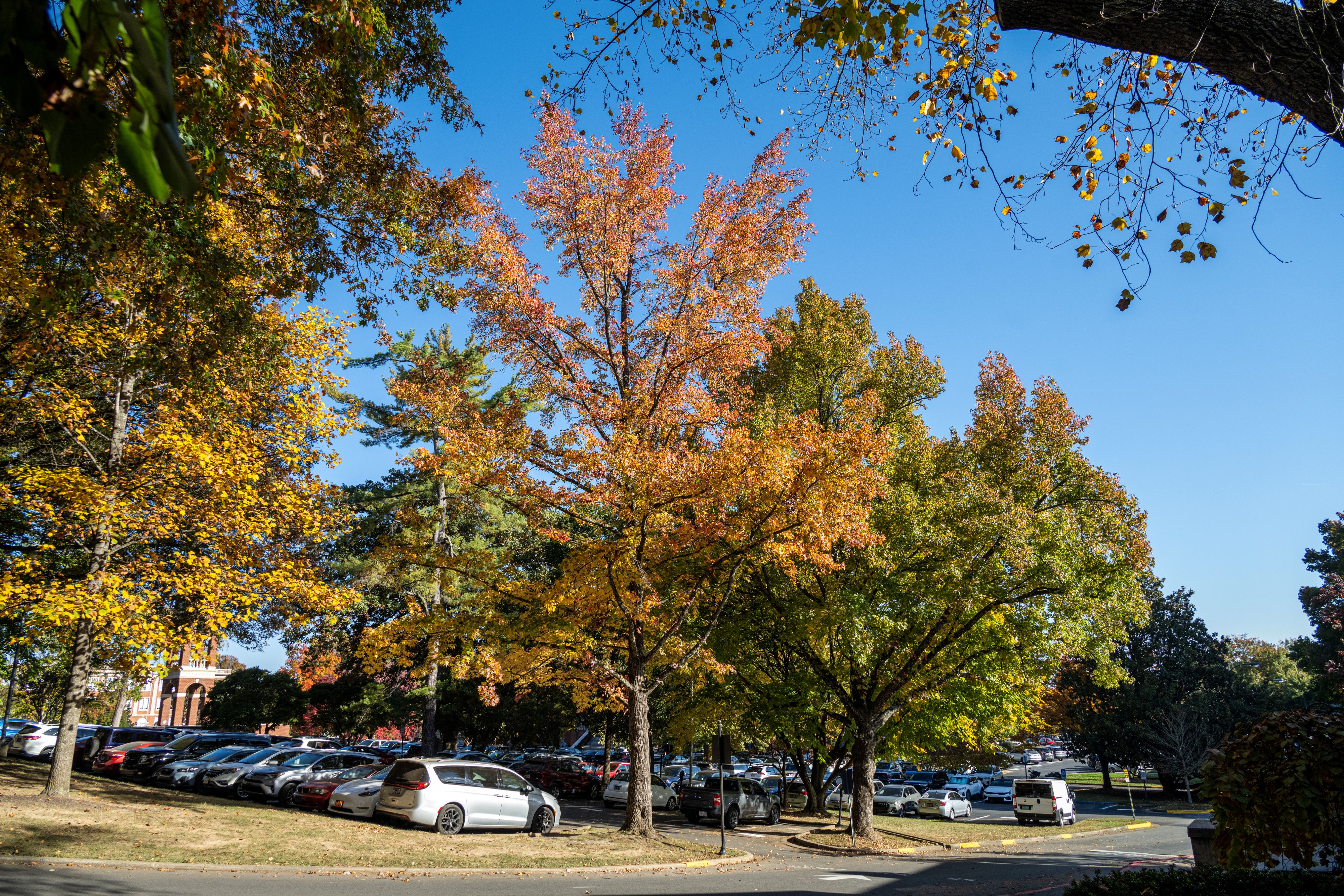
The final Tree of the Week is Sweetgum, Liquidambar styraciflua.
One of the last species to change color in fall, Sweetgum can display nearly the full autumn spectrum — yellow, orange, red and purple — and often holds its leaves longer than many other species.
Its distinctive five- to seven-lobed leaves have a star-like shape, while its branches can develop corky, wing-like bark structures. Sweetgum is native to the Americas and produces dense hardwood used in furniture and other commercial applications.
For Watson, it is also one of the season’s standouts.
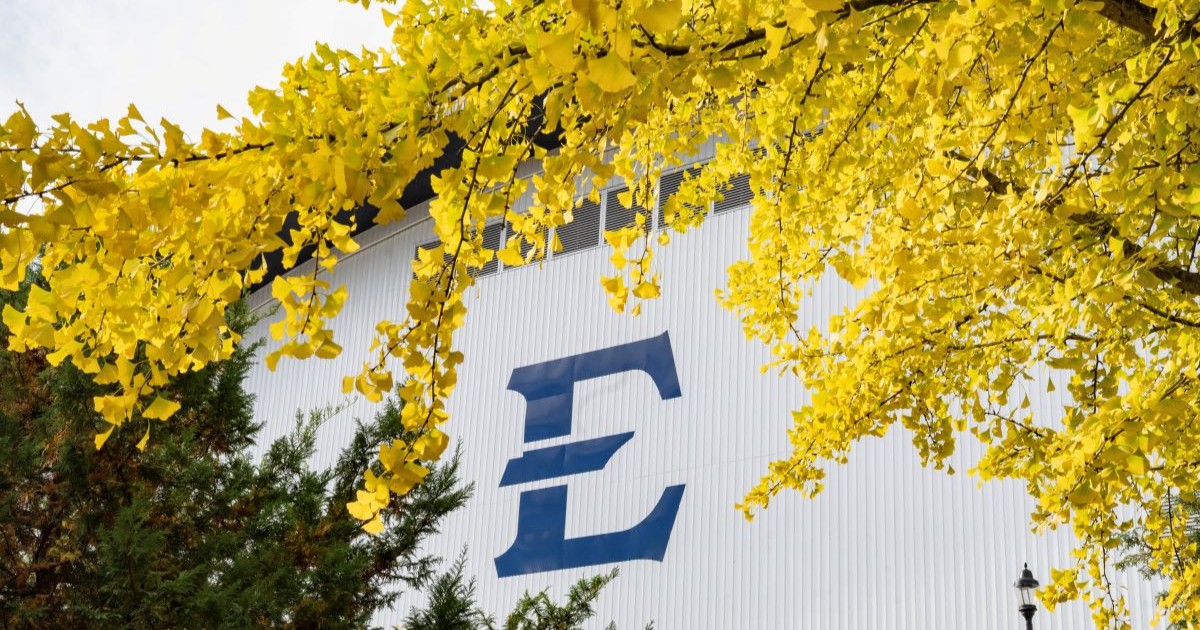
“This is probably my favorite tree for fall color, or very close to a tie with Ginkgo,” he said.
About ETSU Fall Color Reports
This marks the final fall color report of the season. Discover more about Appalachian life and landscapes at etsu.edu/our-region.